
Storm Cleanup & Restoration
Getting a pool from post-storm debris, floodwater and dead equipment back to safe, clear and running.
Understanding storm cleanup & restoration
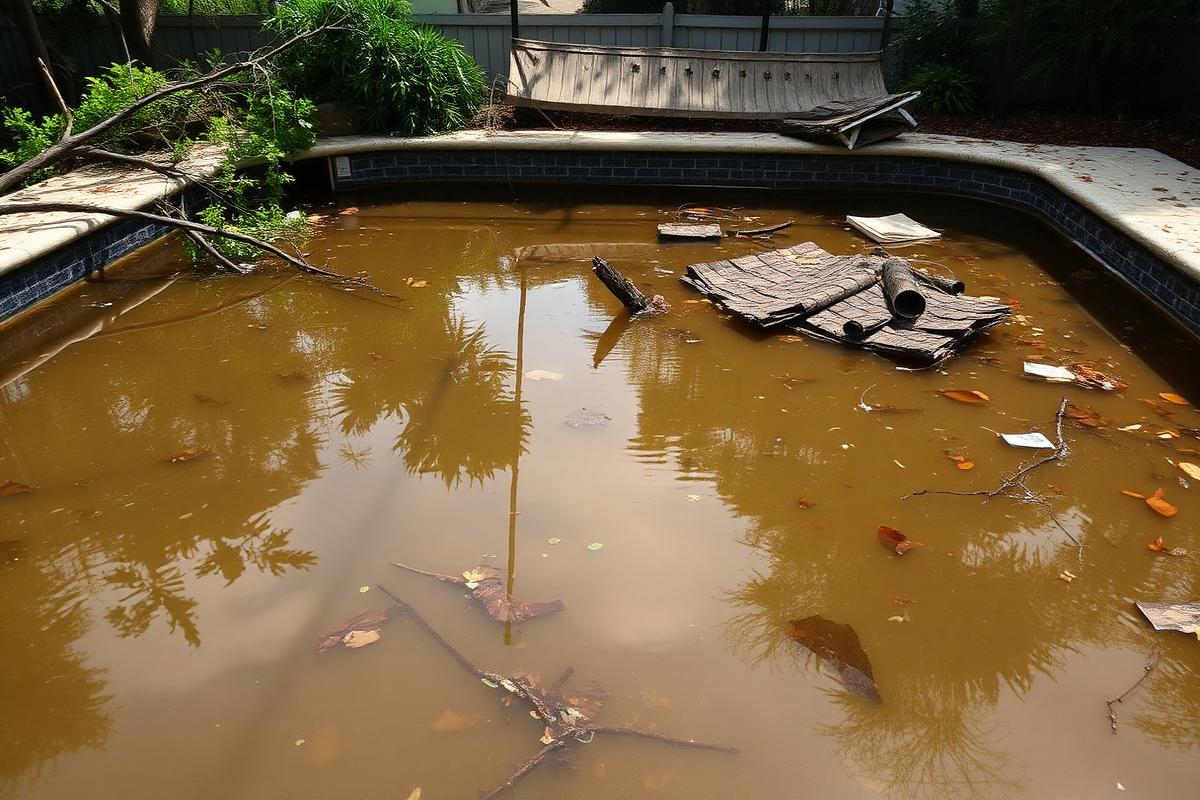
After a hurricane or heavy tropical system, a pool is usually holding a mix of yard debris, silt, screen enclosure parts and floodwater that may carry sewage or lawn chemicals.
That water is not just dirty—it is chemically overwhelmed. Adding chlorine to it does very little until the organic load is physically removed.
Restoration means removing debris, deciding whether to treat or drain and refill, servicing equipment that was submerged, and rebalancing water so the pool is safe to swim in again.
From disaster water to a swimmable pool again
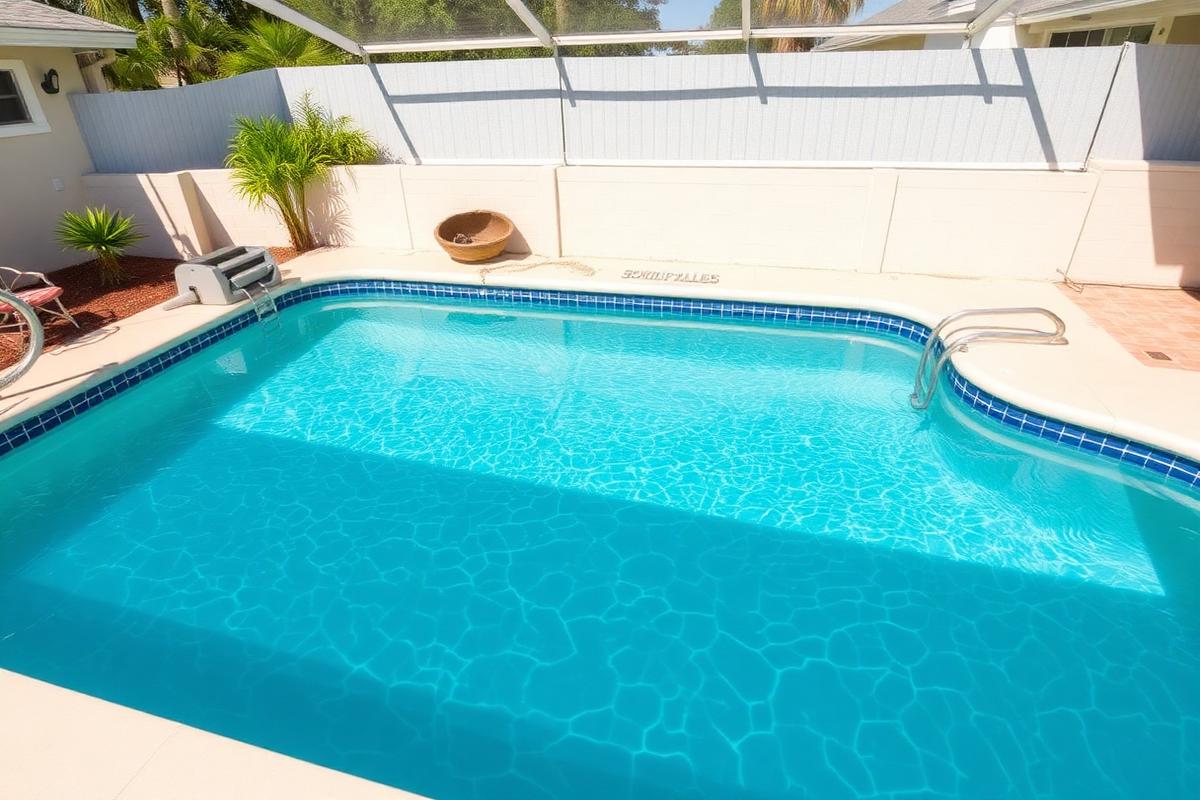
After a major storm the water is usually carrying debris, silt, floodwater and organic overload. It looks ruined, but the structure underneath is often sound. Cleanup, equipment service and chemical restoration can bring the pool back without replacing it.
Severe damage can be restored
Even pools with collapsed enclosures, submerged equipment pads and brown, opaque water can often be saved. We assess the shell and structure first, then rebuild from there.
Replacement is rarely required
The finish, plumbing and equipment can usually be repaired or replaced section by section. Most storm-damaged pools do not need to be torn out and rebuilt.
Health comes first
Floodwater can carry bacteria, sewage and lawn chemicals. We do not just make it look clear—we restore it to safe, balanced swimming water.
What homeowners notice
- •Pool full of branches, leaves, screen framing or roof material
- •Brown, opaque water you cannot see the main drain through
- •Equipment pad that was underwater or will not start
- •Water level far above the tile line from rain and flooding
- •A green pool days after the storm despite shocking it
What Eden does
- 1
Safety assessment
Before anything else we check the equipment pad and bonding for electrical hazards and look for structural or deck damage.
- 2
Debris removal
Large debris and settled silt are physically removed—this has to happen before any chemical treatment is worth doing.
- 3
Water decision
We advise whether the water can be treated and filtered back to clear or whether draining and refilling is faster and cheaper.
- 4
Equipment service
Submerged pumps, motors, heaters and control panels are inspected, dried, repaired or replaced as needed.
- 5
Chemical restoration
Shock, flocculation and extended filtration bring the water back to clear, then chemistry is balanced and confirmed before you swim.
Common questions
How fast can it be done?
Debris removal can often start right away; getting badly contaminated water back to clear usually takes several days of filtration.
Should I drain the pool before a storm?
No. Lower it slightly if you must, but a drained pool can pop out of the ground when the water table rises.
What affects the cost?
Volume of debris, whether the water is treated or replaced, and how much equipment needs repair or replacement.
You may also need
Equipment Repairs & Upgrades
Diagnosing and fixing what's on the pad—and knowing when repairing costs more than upgrading.
Learn more →Acid Washing
A controlled chemical cleaning that strips staining and buildup off the pool surface without replacing the finish.
Learn more →Pumps, Filters & Pool Equipment
The circulation system that keeps water clear—right-sized pumps, the right filter type, and a schedule that actually turns the water over.
Learn more →Ready to Build, Renovate or Repair?
Call Eden Custom Pools & Renovations to discuss your project and request an estimate.