
Acid Washing
A controlled chemical cleaning that strips staining and buildup off the pool surface without replacing the finish.
Understanding acid washing
Acid washing removes an extremely thin layer of the pool's surface, taking stains and mineral buildup with it. It is a deep clean, not a repair.
It is the usual answer for a pool that has gone green and stayed that way, for calcium scale rings at the waterline, and for organic staining from leaves and storm debris.
Because it removes surface material, it can only be done a limited number of times over the life of a finish. Part of our job is telling you honestly when a wash will work and when the finish is too thin and resurfacing is the smarter spend.
What acid washing actually changes
An acid wash does not cover up stains—it removes the top micro-layer of the finish that holds them. When the finish is still thick enough to tolerate it, the result is a surface that looks years younger without the cost of a full resurfacing.
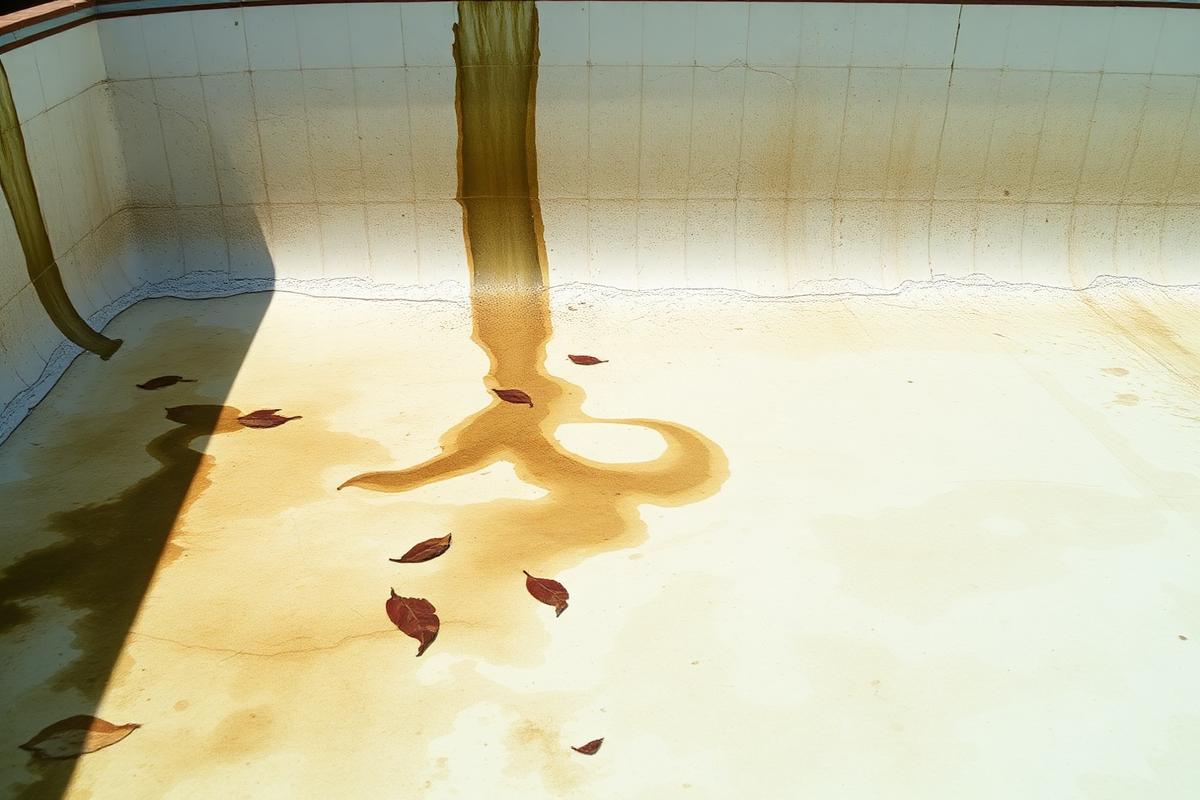
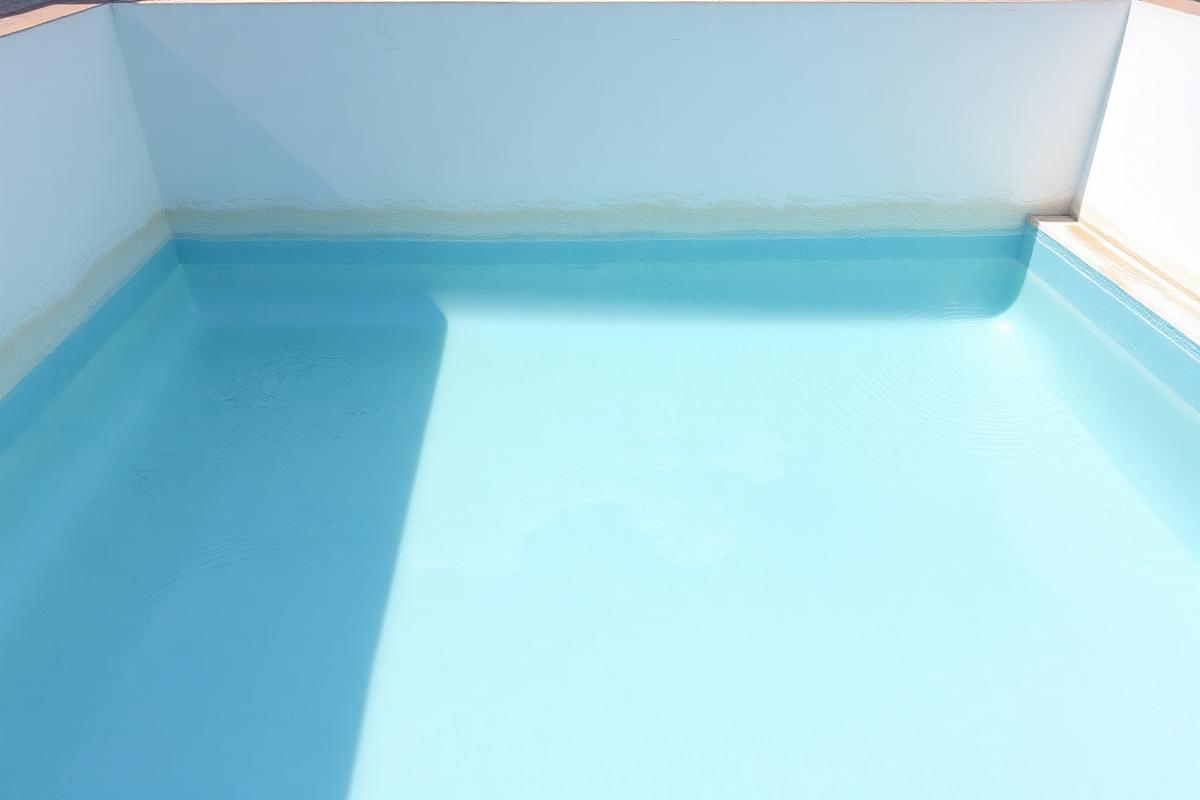
What it does
A diluted acid solution is applied to the drained pool surface. It dissolves the thin stained layer of plaster, exposing the cleaner finish underneath and lifting organic and mineral deposits with it.
When it is appropriate
Best for a finish that still has enough thickness left, but is covered in algae stains, calcium scale, or tannin marks that brushing and chemicals cannot remove.
When it is not
If the plaster is already thin, flaking, or the shell is exposed, acid washing will not help and may do harm. In those cases, resurfacing is the safer investment.
What homeowners notice
- •Green or black algae staining left behind after the water clears
- •A chalky white calcium band at the waterline
- •Brown or rust-colored organic stains under where leaves collected
- •Water that looks dingy no matter how well the chemistry is balanced
- •A pool that has sat unused, uncovered or storm-flooded for weeks
What Eden does
- 1
Surface evaluation
We confirm the finish has enough thickness left to wash safely and identify what type of staining you actually have.
- 2
Drain
The pool is drained with attention to groundwater conditions—a real consideration in Southwest Florida, where an empty shell can float if handled carelessly.
- 3
Application
A diluted acid solution is worked across the surface in sections and never allowed to sit long enough to etch unevenly.
- 4
Neutralize and remove
The solution is fully neutralized and the waste is handled properly before the pool is rinsed.
- 5
Refill and rebalance
The pool is refilled and chemistry is brought back into balance so the fresh surface is not immediately re-stained.
Common questions
How long does it take?
Typically one to two days including drain, wash and refill.
How often can it be done?
Roughly every five or more years, and only a handful of times in a finish's life—each wash removes surface material.
What affects the cost?
Pool size, severity of staining, water disposal requirements and whether a second pass is needed.
You may also need
Pool Resurfacing
Replacing the worn interior finish of your pool so it feels smooth underfoot, holds water properly and looks new again.
Learn more →Storm Cleanup & Restoration
Getting a pool from post-storm debris, floodwater and dead equipment back to safe, clear and running.
Learn more →Pumps, Filters & Pool Equipment
The circulation system that keeps water clear—right-sized pumps, the right filter type, and a schedule that actually turns the water over.
Learn more →Ready to Build, Renovate or Repair?
Call Eden Custom Pools & Renovations to discuss your project and request an estimate.